

The powerful yet gentle mountain gorillas are among the most eye-catching and outstanding wildlife in the world. They are more like humans and share about 98% of the human genetic code. In fact, the connection between humans and gorillas is raw and gets deeper with every move made.
All the remaining mountain gorillas in the wild find shelter in the stunning national parks in the Virunga Conservation Area. This area stretches from Virunga National Park in Congo through Rwanda’s Volcanoes and Bwindi Impenetrable and Mgahinga in Uganda. Mountain gorillas have become a fascinating attraction, drawing in both local and international visitors across the world.
Gorilla trekking destinations in Uganda.
Uganda harbors only 2 main gorilla hotspots where mountain gorillas can be tracked. These include Bwindi Impenetrable National Park in the southwestern part of the country. It prides itself on being the most outstanding gorilla destination. It is the largest host of these gentle primates in the world. Bwindi’s name “impenetrable” brings out its raw nature of deep, thick vegetation, rugged hilly areas, and a massive variety of rainforests. The park is one of a kind, and many travelers often advise visiting the breathtaking spot.
Mgahinga National Park, on the other hand, stretches further south on the Virunga volcanoes. It is much smaller but offers almost the same gorilla experience. It hosts only one habituated gorilla family – Nyakagezi. The mountainous terrain dominates the area and adds an extra touch of adventure. The breathtaking views of the volcanic peaks of Virunga offer one of the most remarkable gorilla experiences.
As of the latest counts, Uganda is the largest gorilla trekking destination. It is home to over 450 mountain gorillas, with the majority of them living in Bwindi. Tourism revenue generated from gorilla trekking permits supports habitat protection, fighting poaching, and funding community projects around the parks. These efforts, along with conservation work, have seen an increase in the number of mountain gorillas.
Characteristics and Social Structure.
One thing to note is that mountain gorillas are the largest primates on the planet. Adult males weigh up to 200 kg and stand up to 1.8 meters tall. Female gorillas are usually smaller and can weigh about 70 to 100 kgs. As silverbacks mature around 12 to 15 years old, they tend to naturally form a silver-grey coat on their backs.
The life span of gorillas is unbelievable; under pleasant, comfortable shelter and possible weather conditions, a typical gorilla can live up to 35 to 40 years of age. Some gorilla members even live into their mid-40s, especially in Bwindi Impenetrable National Park. Life in the forest can be mean and tough. They sustain injuries from fights with other gorilla families, or respiratory infections, flu, and diseases.
The social structure and family setting of the mountain gorillas is truly mind-blowing. The gentle primates live in stable family groups with a dominant silverback as the leader of the family. He is the father of many young gorillas, and his role is to ensure the family is fed and protected. Not far from humans, the silverback is the final decision-maker.
Gorilla trekking experience and gorilla permits.
Gorilla tracking safaris in Uganda mean visitors are tracking the primates right from the main source, giving them a high chance of gorilla viewings way more spectacular than any other protected area. Even though gorilla trekking is tiring, the rewards outweigh the whole hustle. Visitors are advised to follow park rangers’ instructions for a seamless experience. Visitor groups are limited to eight people in each group, each assigned to visit one habituated gorilla family.
The gorilla tracking experience commences with a briefing guided by park rangers and trackers right at the park headquarters. It’s during the briefing session that visitors get to learn about the dos and don’ts while tracking or in proximity to the gorillas; for example, visitors are usually advised to keep a reasonable distance of about seven meters away once they encounter the gorillas.
Depending on the nature of the terrain and location of the gorillas, the tracking session can take about 30 minutes to 6 hours and sometimes even more; the wet rainy season is tricky, given that it makes the trailheads muddy and hard to pass through to other areas. Once the visitors’ group finally locates the gorillas, the hour 1 full hour offered to spend with them can vanish in no time, as the experience is deeper and once in lifetime one.
Many passionate travelers often love to engage in gorilla habituation experiences too, where, if selected, they are allowed to spend at least four hours with the pre-habituated gorillas, giving visitors a deeper look into their daily life, characters, and behaviors.
Gorilla trekking permits cost USD 800 for international visitors, while the habituation experience permit costs up to USD 1,500.

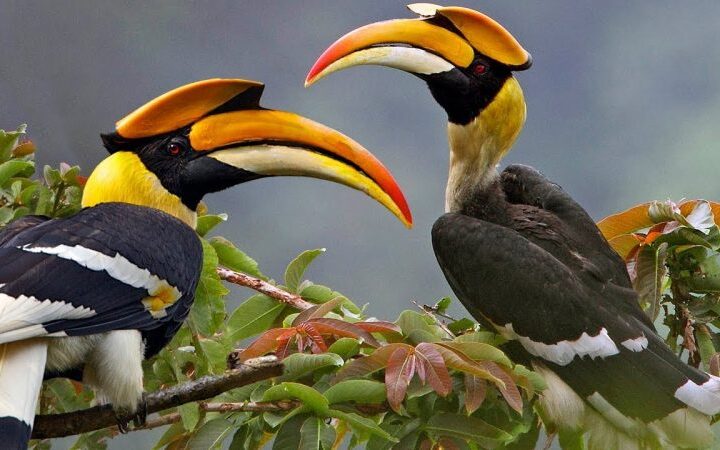
[…] dense forests of Bwindi Impenetrable National Park have got more to offer than just the gentle mountain gorillas, the spot also supports Albertine rift endemic bird species. Several stunning bird species like the […]
[…] habituation experience is art of accustomizing gorillas to human presence. Habituation prepares mountain gorillas for future trekking. Uganda offers a unique opportunity to spend quality time with mountain […]
[…] accommodation option. All sectors offer visitors a chance of spending at least one hour with mountain gorillas in their natural […]
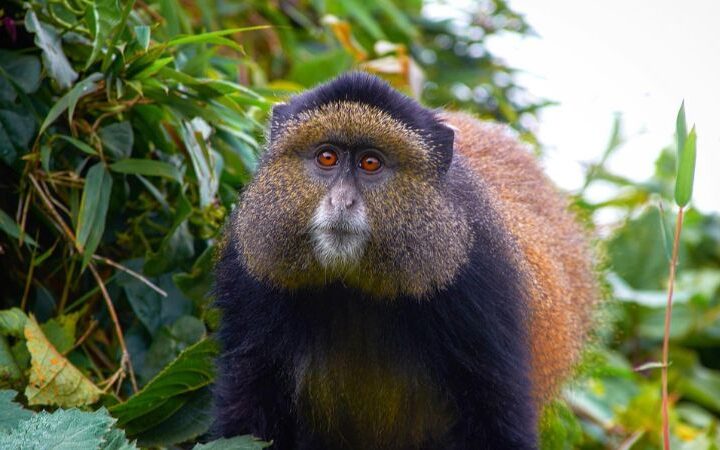
[…] Gahinga is part of the favorable natural shelter that supports the well being of the gentle mountain gorillas, golden monkeys and other […]
[…] season are absolutely comfortable for a Ugandan trip. Tracking trails in both of the country’s mountain gorilla homes like Bwindi forest or Mgahinga are actually more stable, easy to pass and saves traveler’s […]
[…] trekking targets the habituated mountain gorilla families. Mountain gorillas are social beings just like humans and live in groups. These groups are called gorilla families and […]