Best Time to Visit Uganda.
Analyzing the weather conditions is critical when planning a visit to the Pearl of Africa for a seamless remarkable safari. Many people think given the country’s location on the equator, the Ugandan weather is always hotter. However, that’s not the case. The natural endowments of the country form a varied climate across Uganda. This makes some areas feel cool while others stay warmer. This makes timing a very important aspect when planning a Uganda visit, especially if guests want to enjoy gorilla trekking, mountain hikes and smooth game drives in comfort.
Understanding the seasons helps visitors choose the right time for seamless wildlife sightings, favorable rates and a less congested atmosphere. Uganda naturally offers two weather periods of two dry seasons and two rainy seasons annually. The long dry season normally comes in June to late September. The short dry season occurs in December and early February. The heavy and long rain downpours usually come in March to May, and October and November bring light showers.
The dry season, also known as peak season.
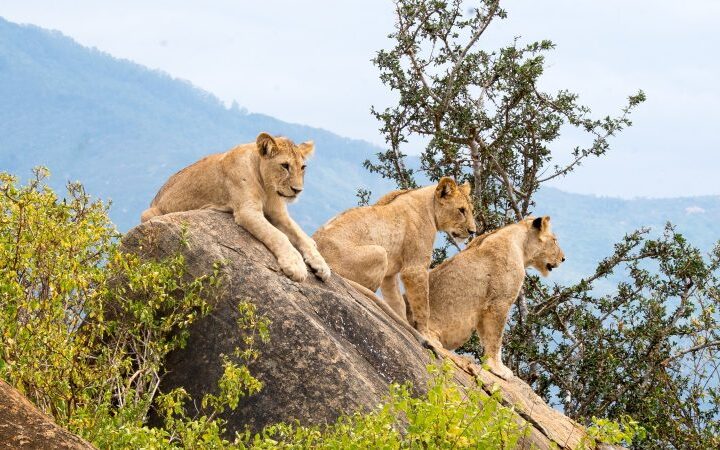
The Uganda drier period of the year usually occurs from June to September. It is popularly considered to be the best time to visit Uganda, and execute most of the tourism activities effortlessly. The period offers firmer and easy to pass routes. This makes activities like gorilla and chimpanzee trekking more seamless and less challenging. Open national parks like Queen Elizabeth and Murchison Falls tend to pull animals closer to the available water sources. This eases wildlife sightings easier especially during game drives.
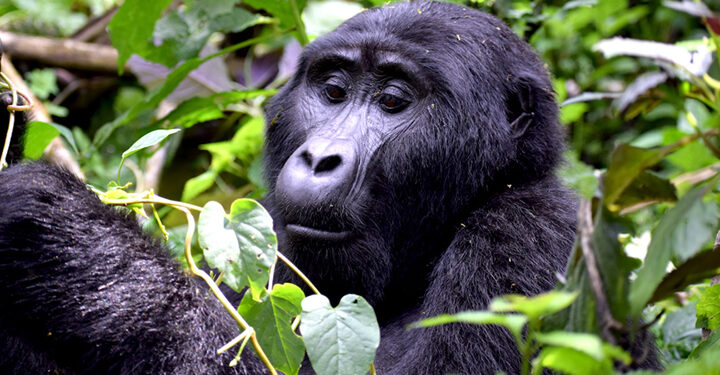
December to February is the short dry season yet another favorable time to visit the country. The weather is usually at its best conditions offering comfortable temperatures and clear open skies. This period often traps fewer crowds compared to the longer peak season. Visitors therefore have a more comfortable safari especially for gorilla tracking in Bwindi or Mgahinga. The short dry season is generally good for blending gorilla trekking with boat cruises. Both the long and short dry period brings best visiting conditions for most tourism activities.
The rainy wet seasons.
The long rains in Uganda usually occur between March to May bringing the heaviest rains, especially around April. The period also offers potential savings and greener comely landscapes even though trails tend to trap water and can become very muddy, making some roads a challenge, and gorilla trekking more stressful. Birdwatching is at its best given that migratory bird species arrive from the West, and waterfalls can turn exceedingly powerful.
Many hotels often lower prices during the rainy season, and visitor numbers tend to be less compared to the crowded peak season. The short rains usually come in October and November but never bring heavy downpours. Game drives and nature walks can still be executed in this period but visitors should expect afternoon light showers.
Weather regional differences across the country.
Weather in Uganda is absolutely unpredictable and can vary from time to time. The western safari destinations like Bwindi or Mgahinga, tend to be chilly and wetter than other regions. Sometimes visitors might wake up to light showers even during the dry season. The northern areas on the other hand, especially Murchison Falls or Kidepo National Park are usually hotter and warmer compared to the western areas.
The fresh waters of Lake Victoria largely affect the weather conditions in the southern parts of the country, often offering more rain showers. If a visitor’s safari aims at gorilla trekking in Bwindi or Mgahinga, then visiting during the dry seasons is critical for effortless hikes. For smooth game drives in Murchison Falls National Park in the North or exciting boat cruises along the River Nile, the dry season is best fit. Many bird lovers often prefer the wet seasons given that it draws in migratory bird species from Europe
What to consider when choosing your visiting date.
Thinking about your priorities is critical. If visitors prefer comfort and favorable trekking, then they are advised to stick to the drier period between June to September and December to February for a seamless unforgettable experience. Visitors who seek value, greener landscapes and less crowded atmosphere should consider what are known as shoulder months, especially around the rainy seasons.
Checking current weather conditions just before a visitor’s trip is crucial given that rain patterns tend to change from time to time over the year. Even during the dry season, visitors are advised to carry comfortable rain jackets, hiking boots and long clothing.
Highland areas tend to get chilly during evening hours so grabbing warm layers is key as malaria tends to outbreak at any time of the year, even though slightly lower during dry season Many accommodation spots often reduce prices during the wet seasons, which would make a big difference for longer safaris.