The best time to visit Uganda would be throughout the whole year, but depending on which safari activities to engage in you would want to first pause and consider Ugandan weather as it can be mostly unpredictable. The country’s weather keeps on changing from time to time, regardless of its location on the equator. The diverse climate across Uganda is extremely dramatic, as it is influenced by larger lakes, longer rivers, powerful waterfalls and dense vegetation along with open endless savannahs, meaning visitors might wake up to light showers at any day even during the dry season, especially in the western highlands.
The Ugandan Peak dry seasons.
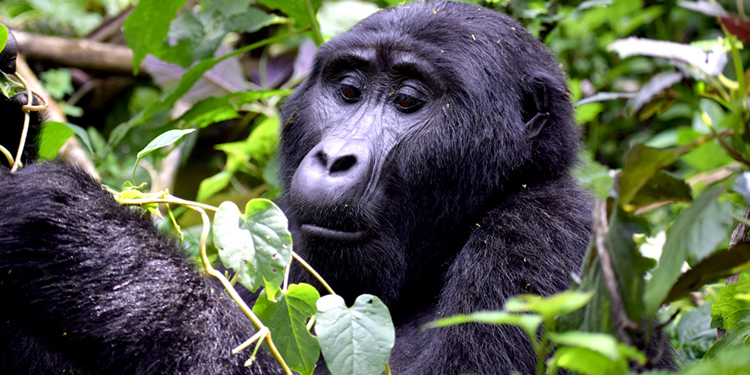
The most recommended time to visit and have the most out of Uganda’s natural wonders is from June to September during the long dry season of the year. It is without doubt the best time overall for a smooth stay in Uganda. This drier period brings less rains and only in the western highlands, the weather conditions during this season are absolutely comfortable for a Ugandan trip. Tracking trails in both of the country’s mountain gorilla homes like Bwindi forest or Mgahinga are actually more stable, easy to pass and saves traveler’s time. Primates tracking the dry period becomes more enjoyable and seamless.
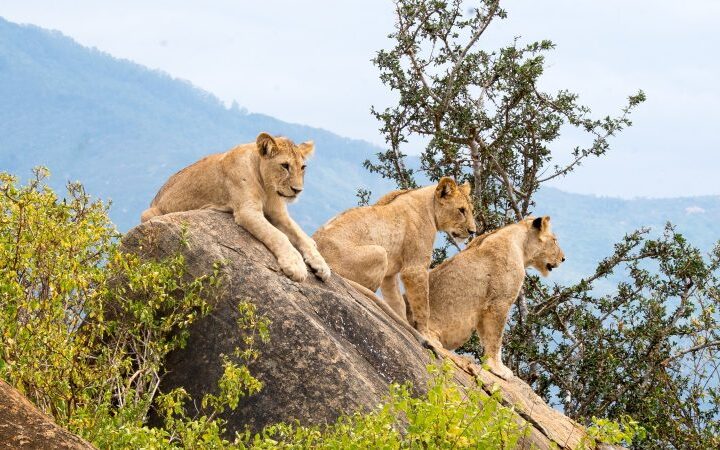
The wildlife in various Ugandan savannah parks animals tend to congregate to the only limited and available water sources, offering remarkable visibility without much effort especially during the scenic game drives. On the other hand, Ugandan weather also offers another perfect window for visit known as the short dry season. The period that arrives at the end of the year in December throughout February, and brings peaceful warm days and comfortable nights. Compared to the long dry season, the short dry season often attracts a smaller number of visitors, and prices can be light.
Many passionate travelers often love to combine primate encounters in the western part of the country and heartwarming boat cruises along the Nile. The most clear skies occur during this short period. It is important to note that both of these dry seasons offer the most favourable visiting weather to execute most safari activities, especially gorilla or chimpanzee trekking.
The Rainy wet season in Uganda.
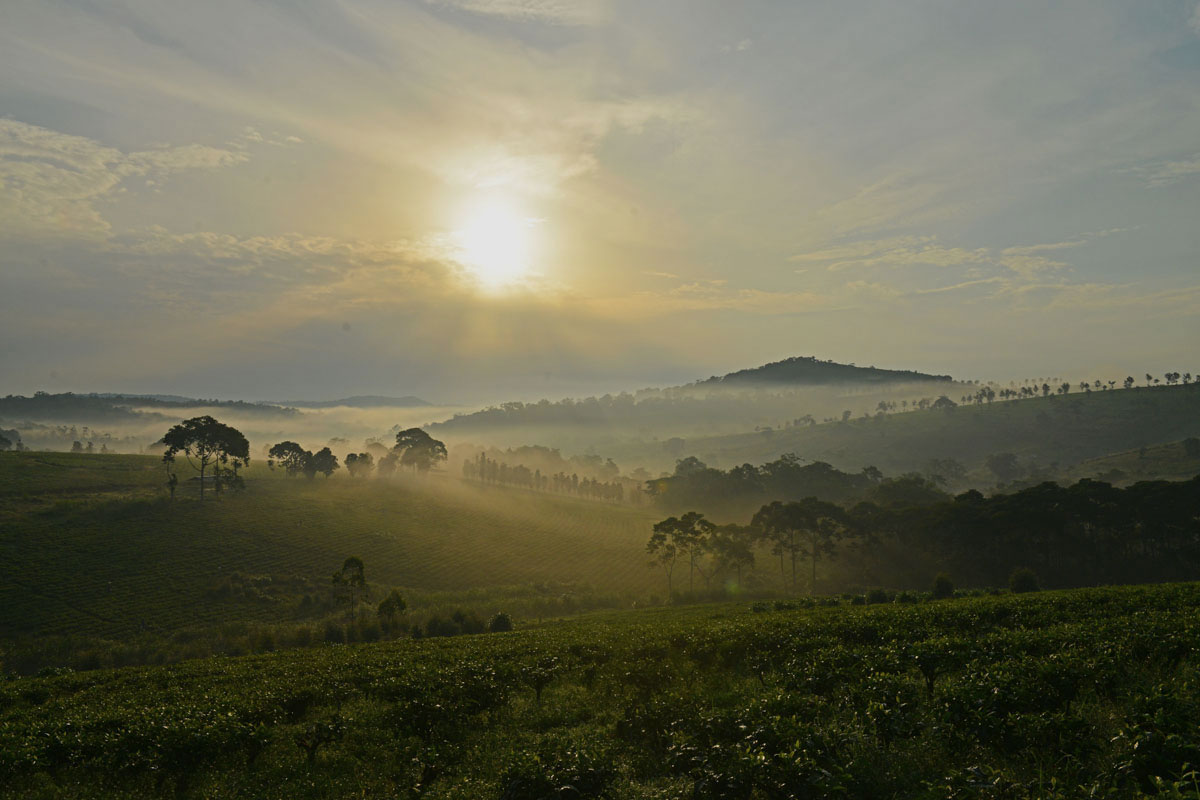
The period offers the heaviest downpours, especially from March to May. April in between March and May is always the wettest month and definitely the less ideal time to visit Uganda. However, the period brings greeniest vegetation, and waterfalls are often more powerful. The wet period also draws in lots of different bird species attracting both local and international birders across the globe. On a more disappointing note, is how the period makes the tourism hubs across the country almost impossible to access. Trails trap lots of water, as a result consistent rains making them unreachable since they get slippery and the lush vegetation tends to cover many.
Many accommodation spots often offer friendly charges to their clients during the wet season and numbers tend to be lower compared to the peak season. The period between October to November is still rainy, even though rains are shorter and not as much as in April. This is the most ideal time for visitors who love birdwatching, negotiable prices and a less crowded atmosphere.
Weather changes across Ugandan regions.
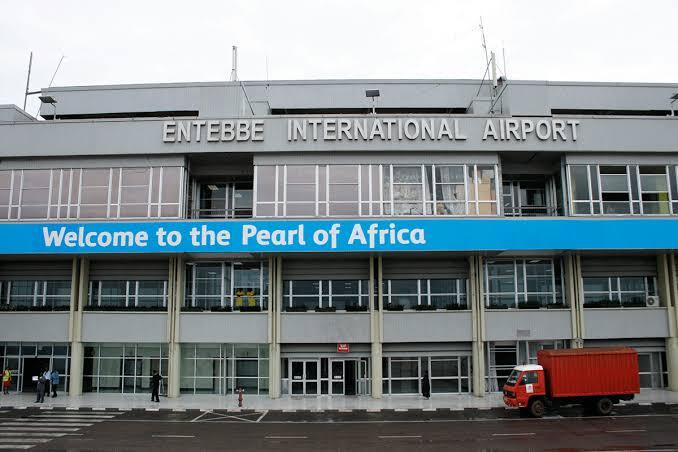
The northern safari destinations like Murchison falls or Kidepo Valley are not as cool, and don’t receive the same amount of rainfall as the western areas of Rwenzori mountains or the rainforests of Bwindi, and are instead dry and hotter. For the western spots, even during the dry season, visitors might wake up to light showers. Areas around Entebbe are largely affected by the mighty Lake Victoria and often receive abundant rains and cool temperatures. The drier period remains the most top rated season best time overall especially for visitors who seek to go gorilla trek in the dense rainforests of Bwindi or Mgahinga.
Boat cruises are also at their best, especially along the scenic Kazinga Channel and the great river Nile. For birdlovers, the wet season often brings abundant fruits in the area, hence attracting several stunning bird species, and at the same time the migratory birds arrive from the West. The beautiful green landscapes and acrobat skies during the rainy season also often attract a lot of passionate photographers.